Wumbox Logo

IMMEDIATE, ON-DEMAND ACCESS

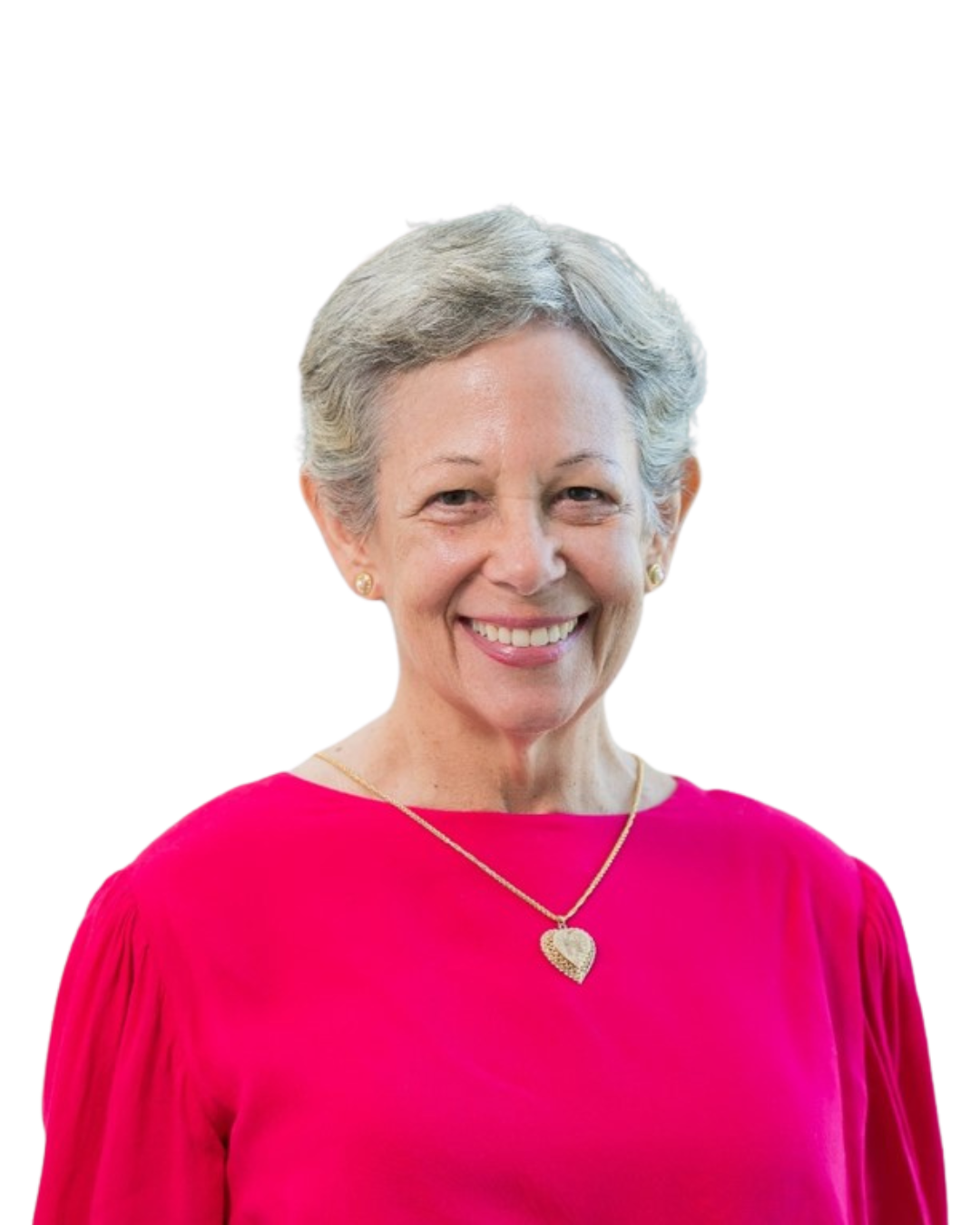
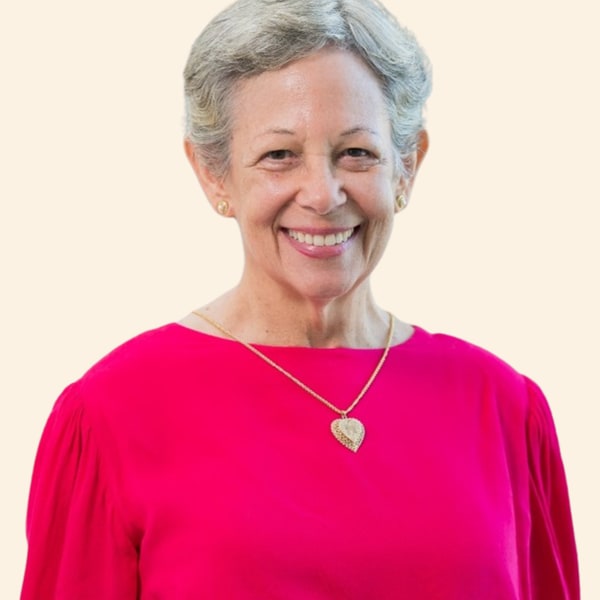
Adele Diamond, PhDUniversity of British Columbia

MasterClass · The neurobiology of executive functions

Stopping, remembering, switching plans: how a child's brain learns it and how to help

Dr. Adele Diamond explains what happens in the prefrontal cortex, why stress affects it before anything else, and what truly helps in the classroom and the clinic: from play and movement to putting emotions into words.

Limited-time special price$40$9

Immediate, permanent access · 7-day guarantee · Secure payment

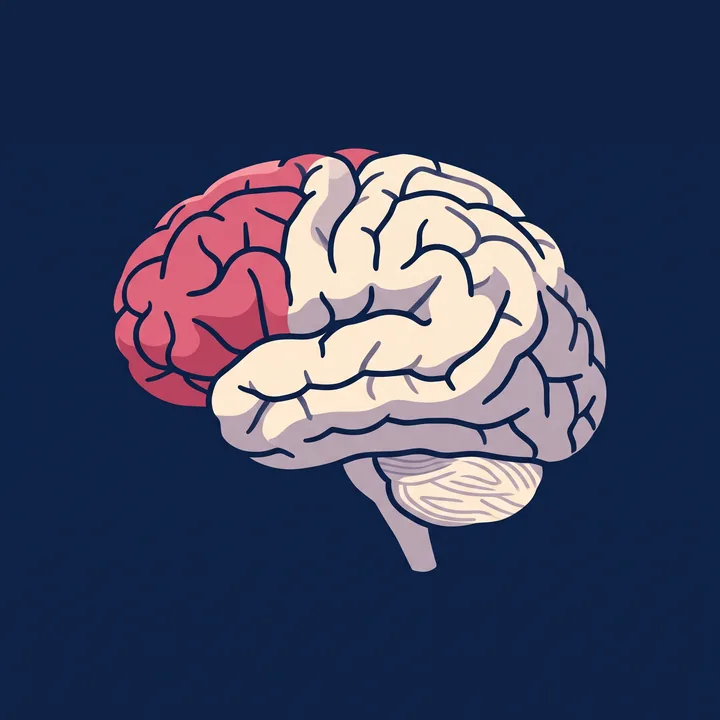
Illustration: the brain in side view, with the prefrontal cortex highlighted.
  1. Inhibitory control
  2. Working memory
  3. Cognitive flexibility
  • Over an hour with Dr. Diamond: talk and Q&A
  • Video in the original English and in Spanish with simultaneous interpretation
  • Slides as PDF in Spanish and English
  • Certificate of participation (optional)

What you will learn

  1. Minute 0:06

    The three executive functions, in real life

    Inhibitory control, working memory and cognitive flexibility with everyday examples, and why they predict school success better than IQ.

  2. Minute 0:13

    Stress and the prefrontal cortex

    Why stress, even mild stress, disrupts executive functions first, and why, before labelling a child as inattentive or impulsive, it is worth looking at the stress they are living with.

  3. Minute 0:25

    What really improves executive functions

    What works better than computer training according to her review of the evidence: comprehensive school programs and activities that combine movement and mindfulness.

  4. Minute 0:31

    Orchids and dandelions

    Why the child who struggles most under pressure may be the one who flourishes most in the right environment, and what that means for assessment.

  5. Minute 0:36

    Emotions, the amygdala and the power of naming

    Why putting feelings into words calms the brain, and how an adult’s presence helps build self-regulation.

  6. Minute 0:47

    Attention, dopamine and balance

    What distinguishes the restless child from the inattentive one in the brain, her study on medication dose and cognitive performance, and why balance and executive functions share circuits.

  7. Minute 0:57

    Questions from teachers and professionals

    Autism, trauma, giftedness, mindfulness for young children and children who need to move.

From the lab to the classroom and the clinic

What you see in behavior is not always what is happening in the brain

A child who never stops, one who never finishes the task, one who explodes over nothing. It is often read as a lack of will or limits, and met with more pressure.

Diamond shows that stress is the first thing that takes executive functions out of play: "if you are sad, stressed, lonely or not physically well, the first thing to suffer is the prefrontal cortex". That is why she asks us to think, before labelling, about what that child is going through.

And she changes the question in the classroom and in the clinic: "a child may be behaving very, very badly because they are hurt and afraid of being hurt again. If the behavior comes from pain, we can react in a completely different way."

Easy to put to use, starting today

  • No neuroscience background needed.

    Diamond explains with everyday examples and the studies behind them.

  • In English or Spanish.

    Choose the language: original or with simultaneous interpretation.

  • At your own pace.

    A recorded MasterClass you can watch in parts.

  • Ideas to apply tomorrow.

    Movement games, walking breaks and strategies to lower stress, with no special materials.

Adele Diamond, PhD

Your instructor

Adele Diamond, PhD

PhD in philosophy and developmental neuropsychology from Harvard University, with postdoctoral training in neuroanatomy at Yale. Professor of neuroscience at the University of British Columbia (Canada), where she holds the research chair in developmental cognitive neuroscience. Her lab studies how biological and environmental factors shape the development of the prefrontal cortex and executive functions. She has received a distinction from the Royal Society of Canada for her contributions to science.

Recorded at a Wumbox MasterClass with more than 500 educators and health professionals connected.

Wumbox trainings

Thousands of professionals already train with us

The experience of six international editions since 2023.

  • +45,000professionals trained with us
  • +50invited experts
  • +500,000students reachedThrough professionals and institutions that use Wumbox.
  • +25countries

Voices of reference who have joined us

  • Dr. Stanislas DehaeneDr. Stanislas DehaeneCollège de FranceCongress I & III
  • Dr. Howard GardnerDr. Howard GardnerHarvardCongress II
  • Dra. Catherine SnowDra. Catherine SnowHarvardCongress III
  • Dr. Robert StickgoldDr. Robert StickgoldHarvardCongress IV
  • Dra. Adele DiamondDra. Adele DiamondUBCCongress IV
  • Dra. Patricia KuhlDra. Patricia KuhlU. WashingtonCongress III

After watching it you will be able to…

  • Explain inhibitory control, working memory and cognitive flexibility with concrete examples.
  • Recognize when stress may be behind behavior that looks like inattention or impulsivity.
  • Choose evidence-based activities to develop executive functions in the classroom or the clinic.
  • Use language and writing to help a child regulate their emotions.
  • Ask the medical team better questions: beyond behavior, what about attention and memory?
  • Suggest movement games and walking breaks, also for young children.

Professional learning

Designed for

Yes, if…

  • you are a teacher, learning specialist, psychologist, neuropsychologist, occupational therapist or work in special education;
  • you support children who struggle to stop, focus or adapt to change, in the classroom or in the clinic;
  • you are a parent who wants to understand what happens in your child’s brain when stress overwhelms them;
  • you want to ground your decisions in scientific evidence.

Everything you get

MasterClass by Adele Diamond, PhD (video in English and Spanish: talk and Q&A)7-day guarantee from purchase
$40
MasterClass slides as PDF (Spanish and English)
Included
Immediate, permanent access
Included
Certificate of participation (optional, issued when you complete the MasterClass)
Optional at checkout

At checkout you can optionally add:

  • Executive-functions activity workbook

Limited-time special price

$40$9

The MasterClass costs $40. For a limited time you can get access for $9.

7-day guarantee

Watch the MasterClass. If within the next 7 days you feel it did not help you, write to us and we will refund you.

write to us

Applies to the MasterClass purchase.

Frequently asked questions

What teachers, professionals and families usually ask before getting access.

Who is it for?

For teachers, learning specialists, psychologists, neuropsychologists, occupational therapists, special-education professionals and families. It works in the classroom, in clinical practice and at home.

What exactly do I get?

Immediate, permanent access to the MasterClass by Adele Diamond, PhD, in the original English and in Spanish with simultaneous interpretation, plus the MasterClass slides as PDF in both languages. At checkout you can optionally add an activity workbook and the certificate of participation.

Is it live or recorded?

It is recorded: watch it whenever you want, at your own pace, and pause or split it into parts.

What language is it in?

You can watch it in English (original) or Spanish (simultaneous interpretation). The PDF slides come in both languages.

Do I need to know neuroscience?

No. Diamond explains with everyday examples, with people who teach and support children in mind, not researchers.

Does it cover ADHD and medication?

Yes, in a short block: Diamond presents her research on attention, dopamine and medication dose. It is educational content, not medical advice.

Does it include a certificate?

The certificate of participation is an optional add-on you can include at checkout. It is issued when you complete the MasterClass.

How long do I have access?

Forever. Access does not expire.

Is it a one-time payment?

Yes. A single payment, with no subscription or automatic charges.

What if it doesn’t help me?

You have a 7-day guarantee: if you feel it did not help you, write to us and we will refund you.

How do I pay?

By card, Apple Pay, Google Pay or PayPal, securely and without leaving this page.

Another question? Write to soporte@wumbox.com

Your next class or session

“The joy of wanting to go beyond your own limits is a better motivator than fear.”

— Adele Diamond, PhD, in the MasterClass

Support every child with what science already knows about executive functions

Picture your next class or session knowing why stress switches off learning, which activities really help and how to help a child put feelings into words.

  • MasterClass by Adele Diamond, PhD: talk and Q&A
  • Video in the original English and in Spanish
  • Slides as PDF in Spanish and English
  • Immediate, permanent access
Neurobiology of Executive Functions - the Masterclass | Wumbox Academy | Wumbox Academy