





Wumbox Logo

IMMEDIATE, ON-DEMAND ACCESS

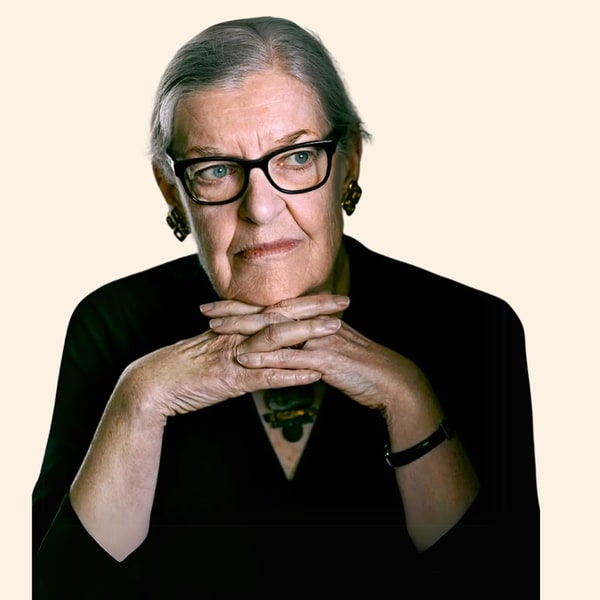
Stanislas Dehaene

Stanislas Dehaene, PhDCollège de France

What neuroscience says educators should—and should not—do when teaching children to read

The neuroscientist who showed how the brain learns to read explains what changes in a child’s brain, why reading is not guessing, and what to do when reading progress stalls.

Limited-time special price$40$9

Immediate, permanent access · 7-day guarantee · Secure payment

The reading circuit

How learning to read connects vision to language

MESAVisual cortexsees shapesLetterbox arearecognizes lettersSoundseach letter, its soundMeaningspoken language

Illustration based on the model Dehaene presents in the MasterClass

  • 1 h 30 min
  • Video in original English and Spanish simultaneous interpretation
  • Presentation PDF in Spanish and English
  • Certificate of participation (optional)
  • Phonological awareness
  • Letter-sound correspondence
  • Decoding
  • Reading fluency
  • Letterbox area
  • Dyslexias
  • Brain plasticity
  • Early literacy
  • Writing and reading
  • The four pillars of learning

What you will learn in 1 h 30 min

  1. Minute 0:00

    How the brain learns to read

    Which region changes when a child learns to read —the “letterbox”— and why connecting letters and sounds is the key.

  2. Minute 0:25

    Dyslexias, in the plural

    Why reading can break down at different stages and two practical aids you can use in class or in session.

  3. Minute 0:31

    What works and what does not

    Why explicit teaching beats “guessing” the word and which common practices do not help.

  4. Minute 0:39

    The four pillars of learning

    Attention, active engagement, error feedback and consolidation: how to apply them in any class or session.

From the lab to the classroom and the clinic

How neuroscience informs your reading-instruction decisions

Every day, educators decide how to teach reading, how to support a learner who is not progressing, and how much reading speed matters. Many decisions are based on habit rather than evidence.

Dehaene has spent decades studying how the brain learns to read. In this MasterClass, he translates those findings into what matters in classrooms and clinical practice.

Two learners can make the same percentage of errors for different reasons. The type of error matters, not only the count.

Easy to use, starting today

  • No neuroscience background needed.

    Dehaene explains with examples and images.

  • In English or Spanish.

    Choose the original or simultaneous interpretation.

  • At your own pace.

    One 1 h 30 min MasterClass you can watch in parts.

  • With pencil, paper and your finger.

    His recommendations need no special materials.

Stanislas Dehaene

Your instructor

Stanislas Dehaene, PhD

French neuroscientist, professor of Experimental Cognitive Psychology at the Collège de France, and director of NeuroSpin, one of the world’s leading neuroimaging centers. Author of Reading in the Brain and How We Learn.

Recorded at the International Congress on Early Literacy.

Wumbox trainings

Thousands of professionals already train with us

The experience of six international editions since 2023.

  • +45,000professionals trained with us
  • +50invited experts
  • +500,000students reachedThrough professionals and institutions that use Wumbox.
  • +25countries

Voices of reference who have joined us

  • Dr. Stanislas DehaeneDr. Stanislas DehaeneCollège de FranceCongress I & III
  • Dr. Howard GardnerDr. Howard GardnerHarvardCongress II
  • Dra. Catherine SnowDra. Catherine SnowHarvardCongress III
  • Dr. Robert StickgoldDr. Robert StickgoldHarvardCongress IV
  • Dra. Adele DiamondDra. Adele DiamondUBCCongress IV
  • Dra. Patricia KuhlDra. Patricia KuhlU. WashingtonCongress III

Mirror letters

Mixing up b and d?

Dehaene explains why mirror confusions are common when children start reading: the brain evolved to recognize an object as the same even when it is flipped, and learning to read means “unlearning” that symmetry.

One of the questions he answers in the audience Q&A.

After watching, you will be able to…

  • Clearly explain what changes in the brain when a child learns to read.
  • Use evidence to support explicit letter-sound instruction.
  • Identify common practices that do not support learning to read.
  • Examine the type of error, not just how many errors a learner makes.
  • Try two practical aids with learners who confuse letters.
  • Apply the four pillars of learning in classes or sessions.

Professional learning

Designed for

Yes, if…

  • you are an educator, learning specialist, speech-language professional, psychologist, language therapist, or special-education professional;
  • you teach reading or support children who are learning, in Spanish or bilingual settings;
  • you want evidence to guide your decisions.

Limited-time special price

$40$9

The MasterClass costs $40. For a limited time, you can get access for $9.

7-day guarantee

Watch the MasterClass. If you feel it did not help within the next 7 days, write to us and we will refund your payment.

write to us

Applies to the MasterClass purchase.

Frequently asked questions

What educators and professionals usually ask before getting access.

Who is it for?

For teachers, learning specialists, speech-language therapists, psychologists and special-education professionals who teach reading or support children who are learning. It works in the classroom and in clinical practice.

What exactly do I get?

Immediate, permanent access to the MasterClass by Stanislas Dehaene, PhD (1 h 30 min), in the original English and in Spanish with simultaneous interpretation, plus the presentation PDF in both languages. At checkout you can optionally add application materials and the certificate of participation.

Is it live or recorded?

It is recorded: watch it whenever you want, at your own pace, and pause or split it into parts.

What language is it in?

Watch it in English (original) or Spanish (simultaneous interpretation). The presentation PDF is in both languages.

Do I need a neuroscience background?

No. Dehaene explains with examples and images, for people who teach, not for researchers.

Is it a course on dyslexia?

No: it is a MasterClass on how the brain learns to read and how to teach it better. It includes a block on the different kinds of dyslexia and two practical aids.

Is there a certificate?

The certificate of participation is an optional add-on at checkout. It is issued when you complete the MasterClass.

How long do I have access?

Forever. Access does not expire.

Is it a one-time payment?

Yes. One payment, no subscription or automatic charges.

What if it is not for me?

You have a 7-day guarantee: if it did not help you, write to us and we will refund you.

How do I pay?

With card, Apple Pay, Google Pay or PayPal, securely and without leaving this page.

Another question? Write to soporte@wumbox.com

Your next reading lesson

“In reading, nothing is guessed.”

— Stanislas Dehaene, PhD, in the MasterClass

Teach reading with what science already knows

Picture your next class or session knowing why guessing does not work, what to look for in each error and how to direct attention to the letters.

  • MasterClass by Stanislas Dehaene, PhD · 1 h 30 min
  • Video in original English and in Spanish
  • Presentation PDF in Spanish and English
  • Immediate, permanent access
How Learning to Read Changes the Brain? - the Masterclass | Wumbox Academy | Wumbox Academy